
A heritage of excellence and strategic diversification

Since its 2013 founding, Antrim-based Anchor Fixings has established itself as a leading supplier of fixings and fittings to the construction and engineering trade across Ireland and the UK. However, beneath the surface of this traditional business lies a company with an extraordinary heritage across multiple sectors.

The combination of experience through a multitude of markets has created a corporate culture that consistently invests in the highest quality equipment available.

“If you install the best machinery, you get fewer problems and better quality: that’s the way we work,” states business development director Guy Walker. “That’s what we’ve also done with our saw blade business – we started investing in Vollmer machines last year.”

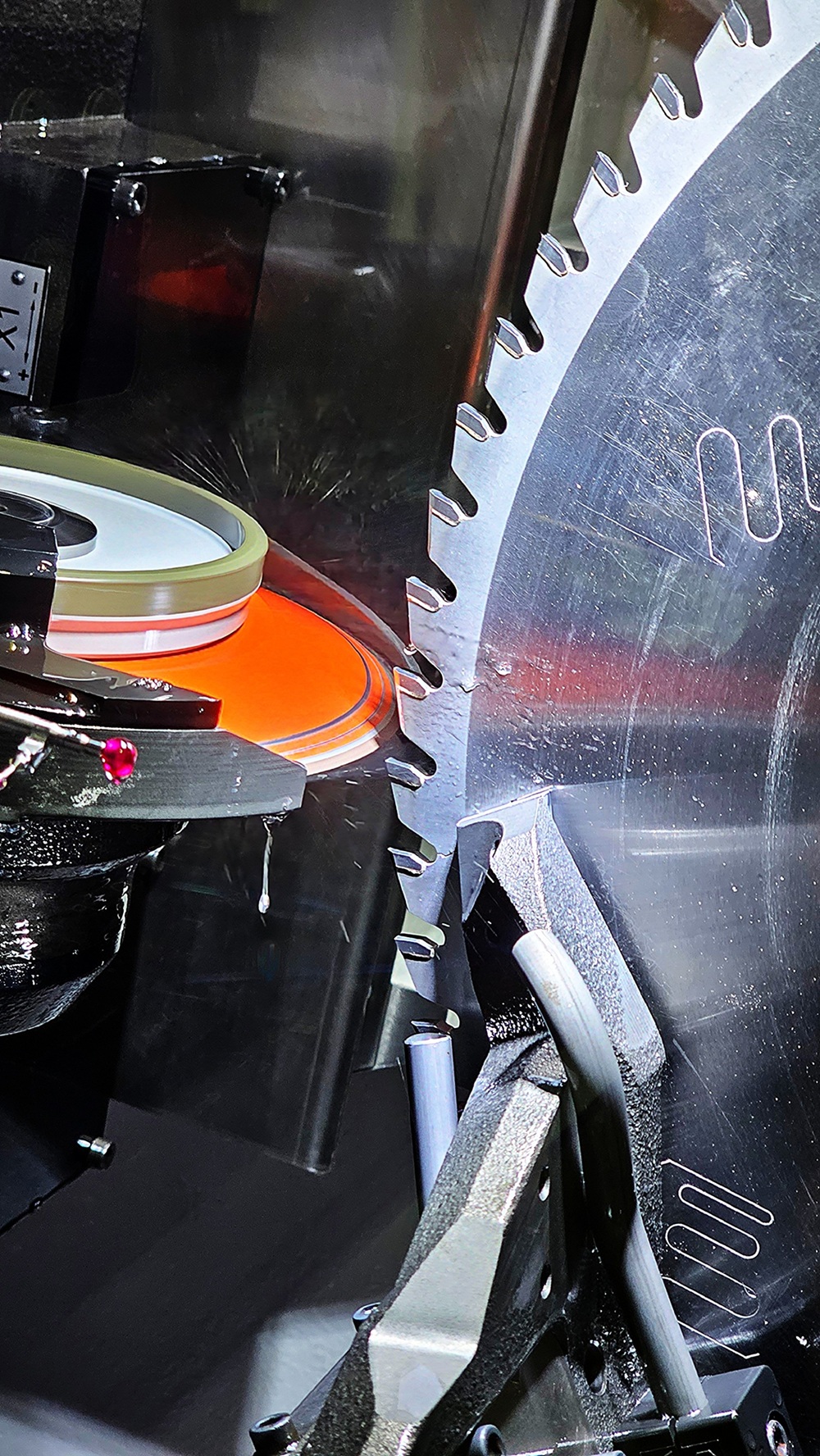
Completed between March and June 2025, the sizeable investment package included a Vollmer CS860 with ND 230 automated loading system, a Loroch K850T sharpening machine for steel blade applications, a Vollmer CHHF 21H side dresser, and a Gockel knife grinder capable of handling blades up to 3m in length.

“We did our research on the best saw blade sharpening machines and Vollmer came out on top,” says Walker. “The quality of sharpening is second to none.”

The Vollmer CS860 (pictured) is an eight-axis machine that handles circular saw blades from 80 to 860 mm in diameter with a high level of automation.

Gavin Fleming, the company’s experienced saw doctor, describes its capabilities: “You input the diameter and the number of teeth and, once you’ve done that, the machine does the rest. It probes and checks the gullet and the angle. The machine is very smart – it does a lot of the work itself.”

More information www.vollmer-group.com/en-uk
Bandsaw maintenance extends machine life

In a machine shop, few things are more valuable than preventative maintenance for a bandsaw. However, bandsaws are often considered “support equipment” and manufacturing plants tend to neglect their maintenance. This is a mistake, reports bandsaw manufacturer Sthemma – which manufacturers the established Thomas range – as regular maintenance not only lowers operating costs but also increases productivity and reduces the frustrations associated with breakdowns.

Every saw in the workshop should have a maintenance schedule. This schedule should be written on a whiteboard near the machine, with spaces to record the date and type of work performed. Inspections and maintenance generally take no more than half an hour, but this small investment of time will pay off with a longer lifespan for the machine and blade.

Manufacturers should regularly check the working parts of the bandsaw. Making the right adjustments will ensure an accurate cut and prevent any damage to the machine. This activity includes checking the belt wheels, blade tension, blade guides and wheel bearings.

Plants should also clean splinters from the clamp jaws regularly, especially after each saw use. Twice a year, check the jaws for wear and, if necessary, repair or replace them. A worn jaw compromises the alignment and accuracy of the cut.

If the saw uses a hydraulic system for power and clamping, manufacturers should check the oil level regularly. Low levels can cause air to enter the lines, compromising the entire system. Factories should also keep the bandsaw’s coolant tank full and cool, and visually inspect bearings and seals every six months, looking for oil leaks or damaged components.

More information www.sthemma.com

Fully Automated Production Line at Stena Stål

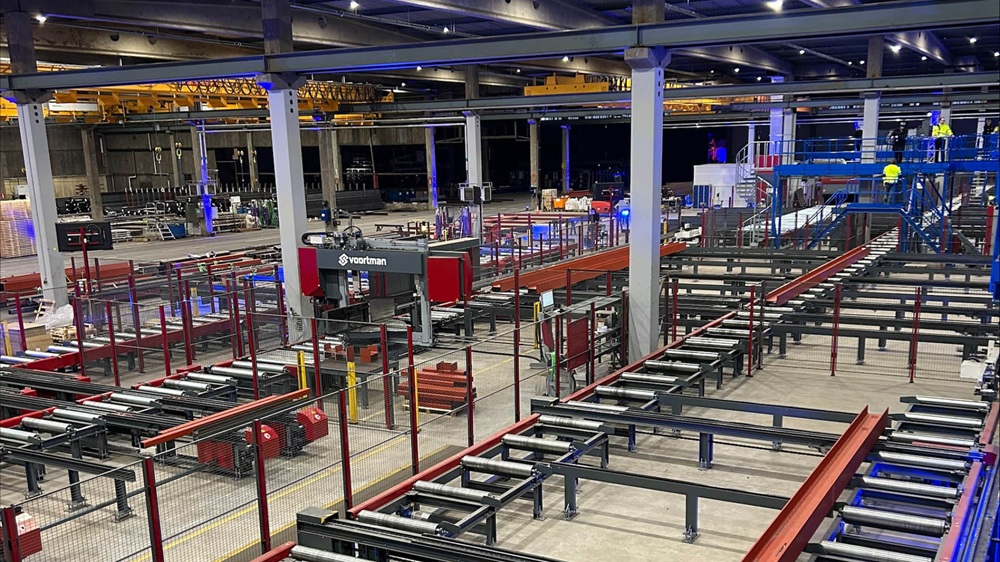
Västerås-based Stena Stål, a steel service centre that processes and distributes steel to a wide range of industries, has installed a fully automated production line to increase capacity, reduce lead times, and offer a wider range of processing services from one location.

Stena Stål now provides blasting, painting, cutting, drilling, milling, marking and measuring, all under one roof. This eliminates unnecessary material handling, making production faster and more efficient. Customers benefit from shorter lead times, improved precision and greater flexibility.

Supplied by Voortman, the machines powering Stena Stål’s MSI line include two VB1250 bandsaw machines, a V631 high-speed drilling and milling machine, a VP2500 painting machine, and a VSB2500 shot blasting machine.

At Voortman, a fully automated production line is called Multi System Integration (MSI). This approach connects multiple machines and software solutions into one streamlined process, minimising manual handling and maximising efficiency. Stena Stål’s new MSI line includes various machines, all seamlessly connected in one automated system.

Together with the machines, DIGI-Supply and DIGI-Evi software suites were sold to Stena Stål. These software solutions reduce manual input in work preparation, limit mistakes, provide better insights and save material. All business applications are fully integrated for a seamless workflow.

Voortman will continue to support Stena Stål through an ongoing partnership. One key element of this is Red Tooling System (RTS), which ensures that the right tools are always available at the right time. Additionally, Stena Stål benefits from Voortman’s Service Label Agreements, which provide structured, proactive maintenance for maximum uptime and long-term reliability of the new MSI line.

More information www.voortman.net

Maintenance tips that extend cold saw life

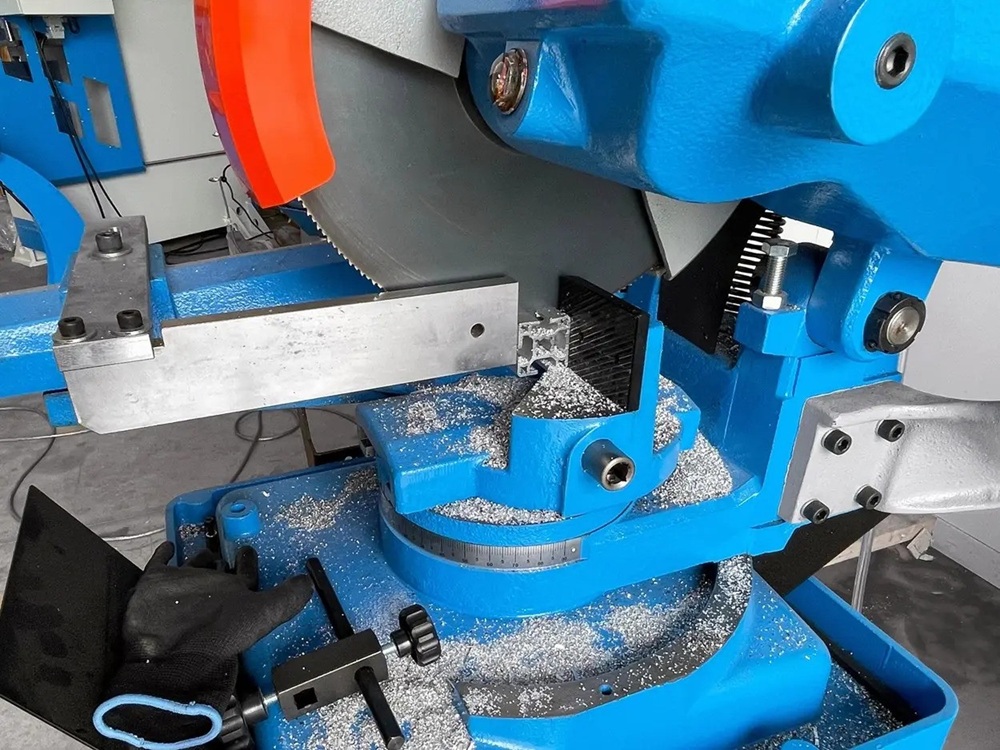
Cold saws are known for their precision, durability and ability to produce clean, burr-free cuts in a variety of metals. However, like all industrial equipment, they require consistent maintenance to stay in top condition. Whether running a small fabrication shop or a large production facility, proper maintenance of cold-cut saws will not only extend their lifespan but also ensure continued performance, safety, and cost efficiency. Dimakin offers the following guide to maintaining cold saws.

One of the simplest yet most effective ways to maintain a cold saw is regular cleaning. After every shift, remove chips and debris from the working area, base and blade guards, and clean the vice jaws and clamping surfaces to ensure accurate cuts. Dimakin says its cold-cut saws are designed with easy-to-access cleaning points and robust enclosures to help keep debris away from sensitive components.

Secondly: sharp tools equal smooth cuts. The blade is the heart of a cold saw. Using a dull or damaged blade can result in rough cuts, overheating and excess wear on the motor and bearings. Inspect the blade daily for signs of dullness, chipping or warping, and replace or sharpen blades before they cause undue stress on the machine. Dimakin’s range of cold saws supports a wide range of blade diameters and materials, while inverter-driven models allow for optimal blade speed settings, reducing wear and tear over time.

Naturally, proper lubrication is vital as it minimises friction and keeps machines running smoothly. Lubricate the gearbox, spindle and pivot points as per the manufacturer’s guidelines.

Further tips include the inspection of electrical components and safety features, the tightening of bolts and checking of alignments, and the scheduling of preventive maintenance.

More information www.dimakin.co.uk

Kaltenbach opens new production facility

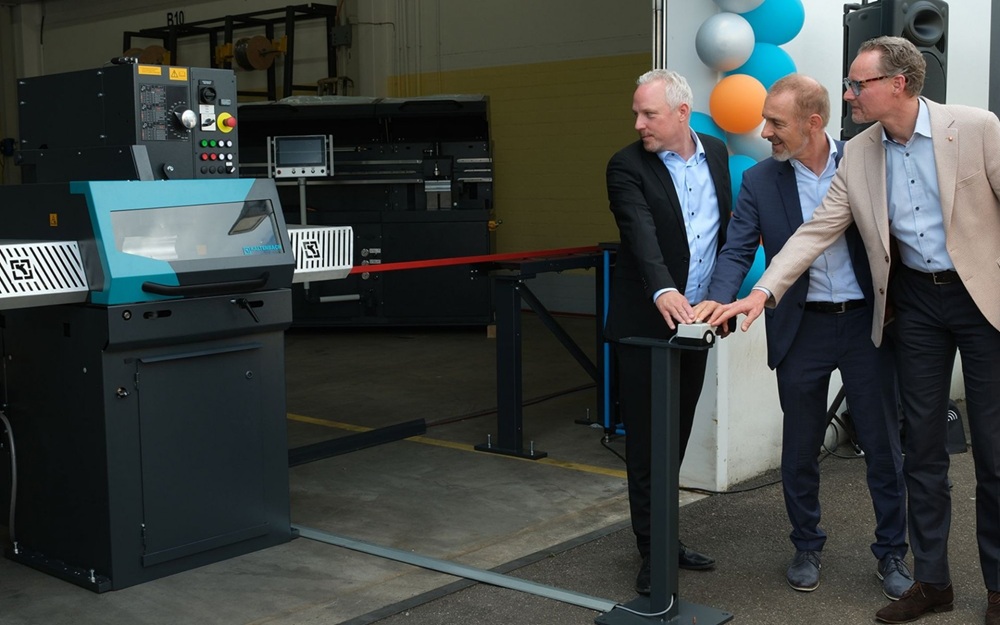
With a symbolic cut that reflects the company’s core business, the new production facility of Kaltenbach Cutting Systems GmbH (KCS) was officially inaugurated recently. Instead of the traditional ribbon-cutting, a circular saw – manufactured in-house – cut through a metal bar, activated at the push of a button by Lörrach’s Mayor, Jörg Lutz. Afterwards, the company invited all employees to a convivial gathering with drinks. 

Kaltenbach Cutting Systems was founded in October 2023 following a carve-out from Kaltenbach GmbH + Co KG. The new plant in Lörrach employs around 50 people and produces semi- and fully automatic universal saws, drilling systems, length measuring and transport equipment – all made in Germany. Furthermore, the company says its comprehensive overhaul of used machines sets new standards in sustainability. They not only look like new but are also ready for another several decades of operation. 

The new production facility is a flagship project within the Kaltenbach Group. The specially developed, compact manufacturing concept is based on the latest lean principles and sets the benchmark for future plants within the group. 

“Due to strong order volumes, we went straight into production,” reports managing director Rene Eger. “The implementation of our lean manufacturing approach is working exceptionally well: shorter paths, faster production times and a significantly better overview of ongoing projects.”

In his speech, Mayor Jörg Lutz acknowledged the importance of Kaltenbach as a long-standing company rooted in Lörrach, before adding: “The founding and development of Kaltenbach Cutting Systems GmbH is a strong sign of innovation and future-oriented thinking in our region.” 

More information www.kaltenbach.com