

Paragon Bank has provided £1.6m of funding to Northern Ireland-based Datum Tool Design to support the purchase of a new five-axis CNC machining centre, helping the aerospace tooling specialist expand its manufacturing capabilities.
Founded in 1996 and based in Lisburn, Datum Tool designs and manufactures high-precision tooling for major aerospace programmes. The company works with leading manufacturers and supply chains, including Airbus, Bombardier and BAE Systems, delivering composite tooling, assembly fixtures, trimming and drill tooling, as well as build-to-print solutions.
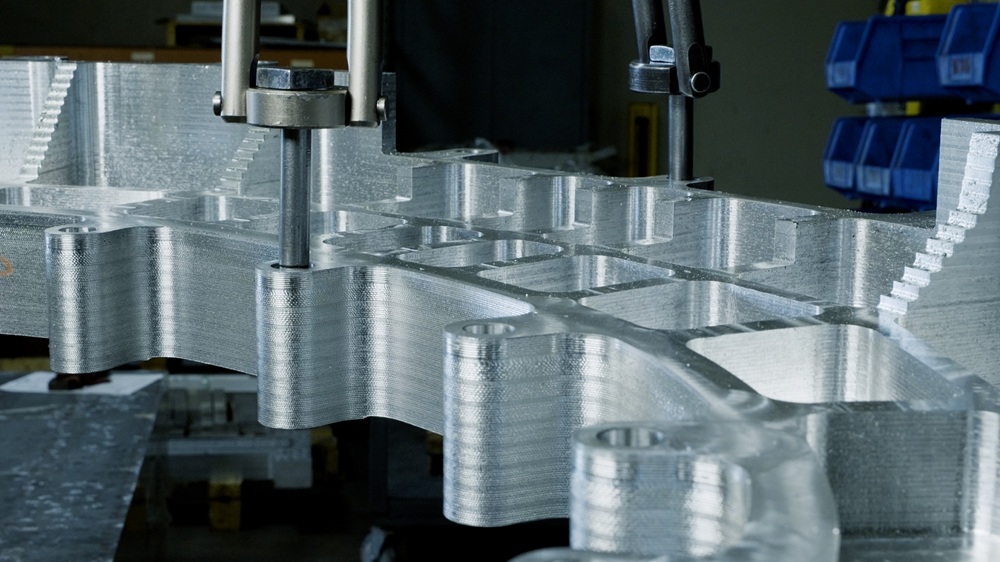
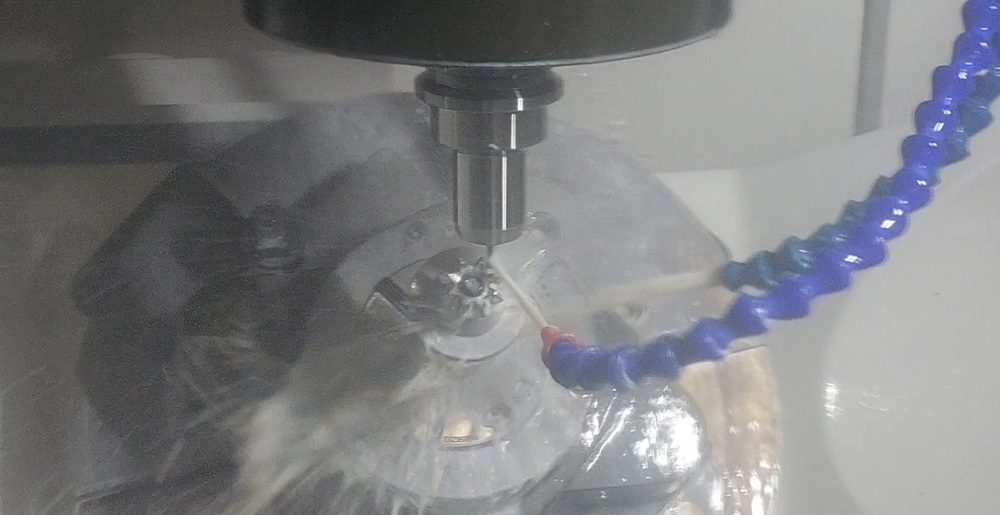
The funding enabled Datum to acquire a Promac Sharav HGVT 4.0, a 22 m five-axis machining centre and the largest machine of its type in Ireland. The investment will allow the company to manufacture larger and more complex tooling in-house, increasing capacity while providing greater control over quality, scheduling and delivery.
Datum’s purchase forms part of a wider growth strategy that also includes a new facility and support from the Aerospace Technology Institute.
The deal was introduced to Paragon by Paul Close Finance and led by business development manager Joe Blanthorn, who says: “Datum Tool Design has built a strong reputation supporting technically demanding aerospace programmes. This investment enhances its ability to undertake larger, more complex projects while demonstrating how asset finance can help established manufacturers invest in productivity and long-term growth.”
Michael Maguire, director at Datum Tool Design, adds: “This new machining centre represents a major investment in the future of our business. It gives us greater capacity, increased flexibility and the ability to manufacture larger, more complex tooling in-house. Paragon and Paul Close Finance understood the importance of the project and collaborated closely with us to deliver the right funding solution.”
Paragon provides asset finance to SMEs across the UK, supporting investment in business-critical equipment, vehicles and machinery.
More information www.paragonbank.co.uk