Milling and grinding large parts in one set-up

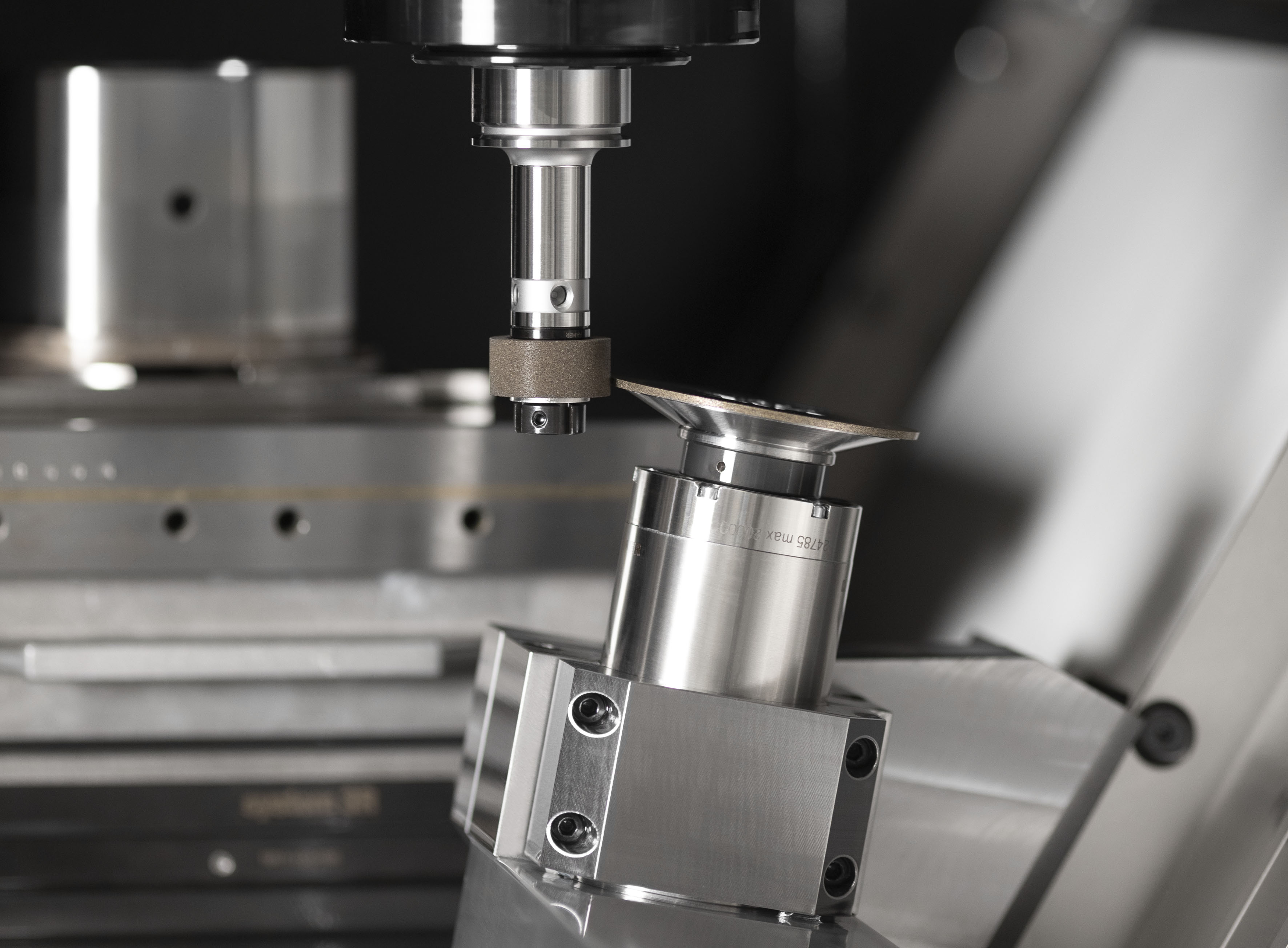
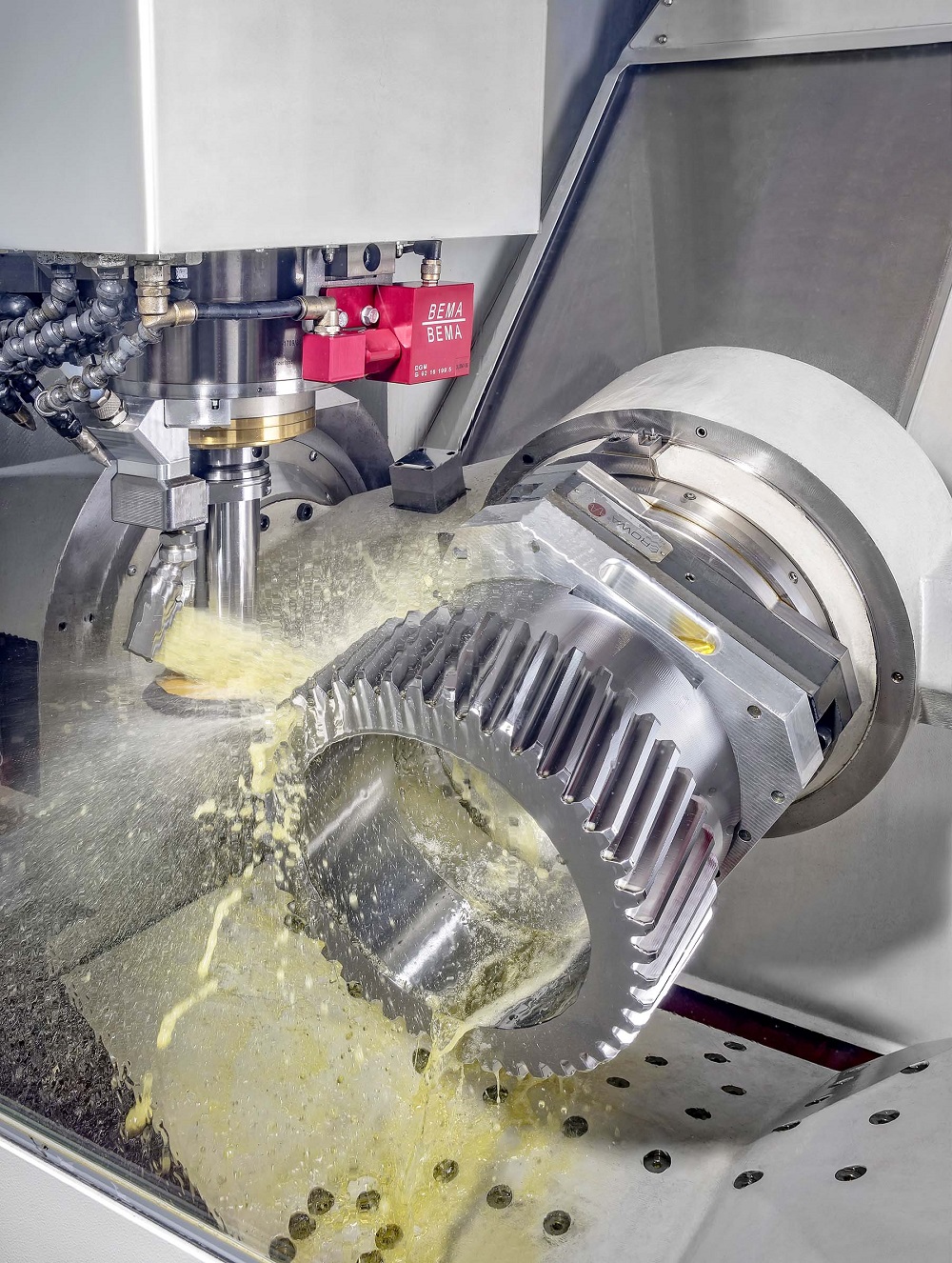
German machining centre manufacturer Roeders is introducing a new production centre, the RXU 2000, for manufacturing large components requiring a high degree of precision. The three-axis machine is not only for 3D milling but also for jig, vertical or profile grinding. Availability in the UK and Ireland is through sole sales agent Hurco Europe.

The machine is for cutting hardened materials and has a working volume of 2000 x 1800 x 800 mm, where the intentionally limited Z-axis travel ensures maximum accuracy. Both the Y and Z axes feature the machine builder’s robust Quadroguide design, while the large machine bed is effective at damping vibrations. The maximum table load is 5 tonne.

A combination of milling and grinding in a single set-up on the same platform is particularly suited to mould and tool making, and to producing high-accuracy parts for machine building. Linear drives in all axes, as well as an advanced temperature management system for the entire machine, ensure high levels of precision, even during long machining runs, reports Hurco. Dimensional accuracy to within 5 µm, and roundness of 1 to 2 µm depending on bore size, is achievableacross the machining envelope.

A 22,000 rpm, 101 Nm HSK-A63 spindle is available for high metal removal rates. Alternatively, spindles up to 80,000 rpm are available for different applications. On request, the machining centre is configurable as a double-spindle machine, for example with a high-precision air bearing spindle alongside the main spindle.
For further information www.hurco.co.uk
Filtration in demand for AM post-processing

As demand for additive manufacturing processes continues to grow, BOFA’s filtration technology is now in demand to support the post-processing environment. Post-processing in the world of 3D printing is an important step in the production chain and is vital to transforming the commercial potential of additive manufacturing into high-quality finished products.

Luke Ziolkowski, international business development manager at BOFA International,says: “Post-processing is a catch-all term and means different things to different manufacturers, but the ultimate aim is the same: to create a product ready for market. This typically includes curing, polishing, deburring, mechanical cleaning or air blasting, all of which emit particles or gases that require BOFA filtration to help maintain a healthy working environment and contribute to a high-quality end product.”

BOFA is responding to demand with a number of 3D-print filtration systems that are suitable for post-processing environments. These include the FumeCAB enclosure technology which is suited to stereolithography systems,extractingoff-gassing from the print. FumeCAB can also help with off-gassing from washing stations and contribute to filtration for most other post-processing applications.

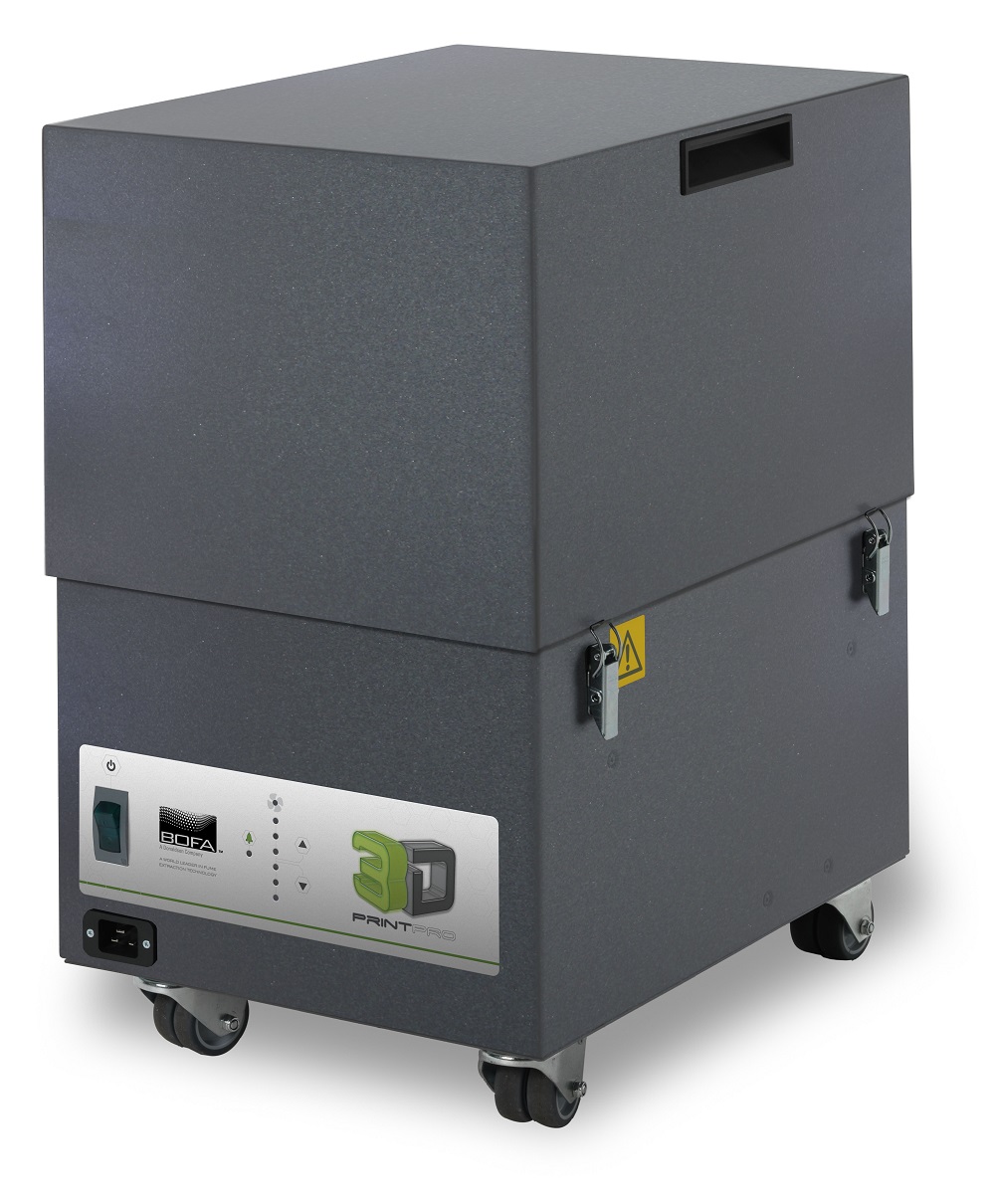
BOFA’s 3D PrintPRO 4 has recently been enhanced to support fused deposition modelling, stereolithography, digital light processing and material jetting. PrintPRO 4 can manage multi-unit operations thanks to a high-capacity filtration system, while delivering optimal temperature control. Effective airflow management contributes to an odourless workplace environment.

Finally, AD Oracle iQ is a fume extraction system for laser marking, coding engraving and AM laser sintering applications. The iQ2 intelligent operating system offers extended on-board data logs and real-time system condition visualisation. iQ2 also supports a colour touchscreen user interface, smart alarm configuration and system upgrades.
For further information www.bofainternational.com

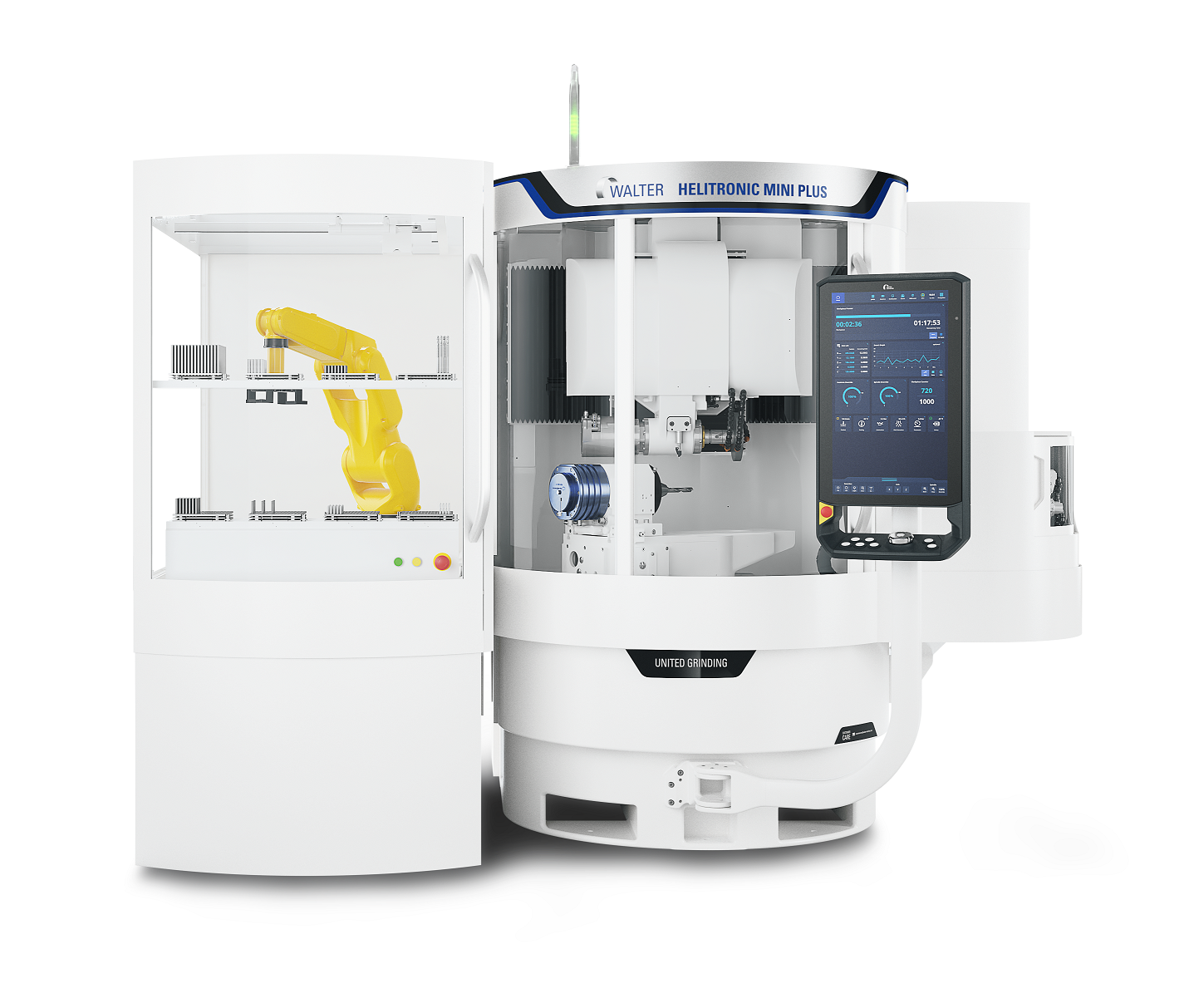
Flexibility for tool production and regrinding

Whether for tool production or regrinding – as a cost-effective ‘basic’ machine or as a fully automated model – the new Walter Helitronic Mini Plus tool grinder can satisfy any need for the effective and efficient production of tools from 1 to 16 mm diameter, machining even complex geometries in a single clamping. Re-grinding capacity is up to 125 mm diameter.

Available from Walter Ewag UK, the basic machine version is configurable with a wide range of efficiency options and various loading systems, extending to a fully-equipped ‘high-end’ tool grinder capable of all current and future applications in the small and medium tool diameter range.

The basis for the flexibility of the Helitronic Mini Plus is Walter’s proprietary gantry design, where the economical production of geometries in a single set-up is guaranteed by a HSK belt spindle with two spindle ends for up to six grinding wheels (as standard). In addition, the C.O.R.E. (Customer-Oriented REvolution) hardware and software architecture embraces the digital age by offering intuitive operation that facilitates machine set-up, operation, networking and maintenance.

Options available for the machine include an automatic grinding wheel changer for up to six wheel holders (maximum diameter 152.4 mm), including coolant supply, to ensure a safe wheel set change and maximum flexibility. In addition, for machines so equipped, a ‘torque increase’ option raises torque and removal rates by up to 60% for extra productivity.

For automated use, users can choose a top loader or robot loader, with three equipment packages.
For further information www.walter-machines.com

Hybrid mill/grind machine cuts cycle times

Manufacturers can now achieve faster processing times thanks to the hybrid milling and grinding capabilities available on the new Mikron MILL S/X (U) series from GF Machining Solutions. The new series combines milling and jig grinding in a compact footprint.

According to GFMS, these three- and five-axis machines deliver accuracy, precision, speed and best-in-class ergonomics. The various models can operate as stand-alone machines or, to improve productivity, can be integrated with automation systems to create flexible manufacturing cells.

Featuring Automated Machine Calibration (AMC) from GFMS and an advanced cooling system that cools the machine’s structure and spindle, changes in ambient temperatures or heat generated within the work environment during machining operations do not affect the machine’s ability to deliver high accuracy, even during long machining runs or extended periods of operation.

The AMC package allows operators to recalibrate the machine and recover its original precision, at the press of a button.

In MILL S and X machines, GFMS accommodates the grinding set-up within the standard footprint, while the laser measuring system and dressing spindle (boasting an increased spindle speed from 3000 to 20,000 rpm) are located close to the working area to ensure quick and fast grinding. In addition, the dressing spindle sits at a slight inclination in order to dress any type of grinding tool.

GFMS can equip the machine with an additional AE sensor to track grinding operations. Additional AE sensors are located on the machine table, allowing operators to adapt the process using the automatic tool detection cycle. This cycle, developed by GF Machining Solutions, avoids air grinding by detecting exactly when the grinding tool touches the part – thereby optimising the process.
For further information www.gfms.com

Tyrolit picks up the pace with Cerabond X

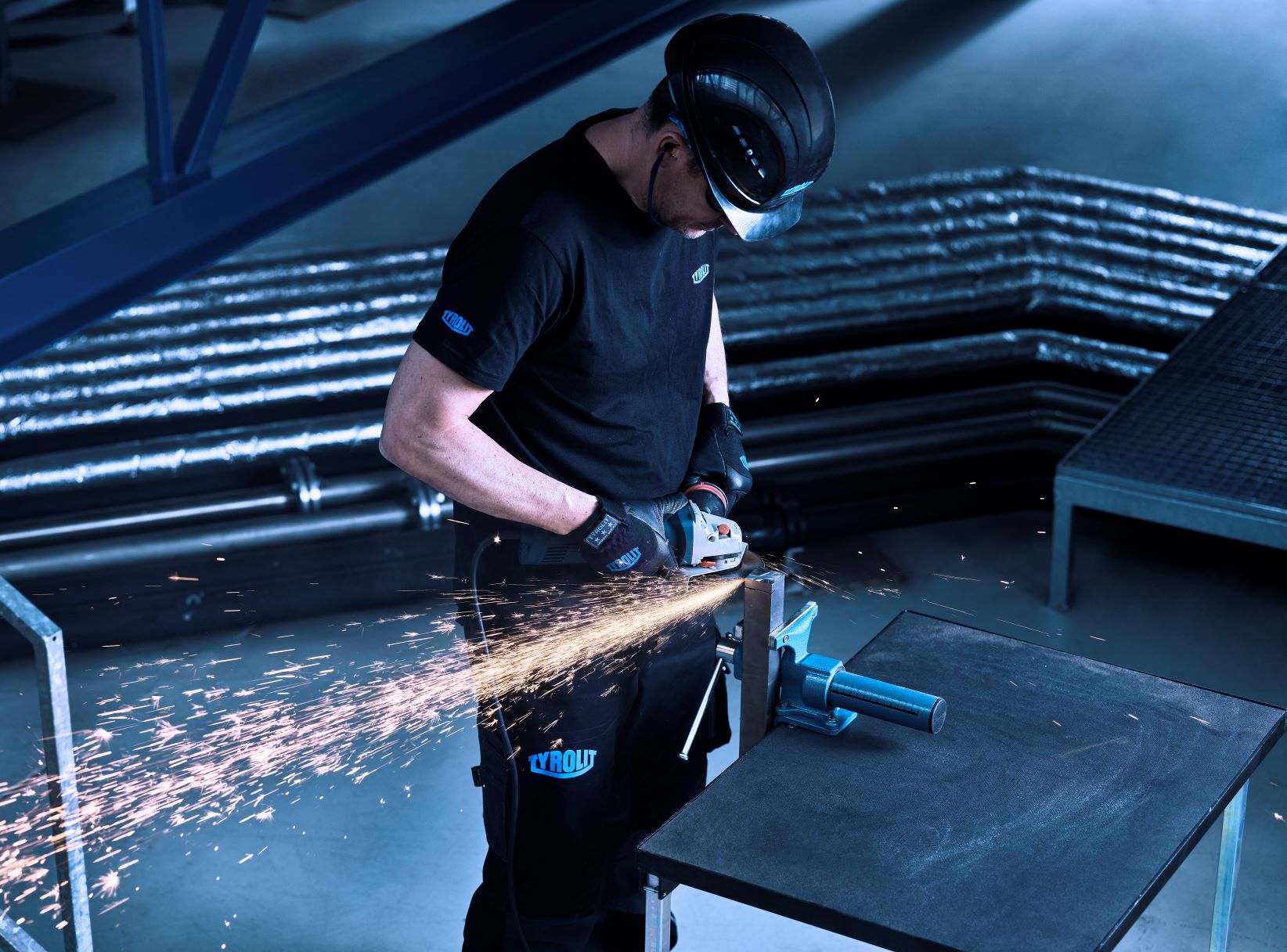
Stock removal taking longer than expected and product wearing out too quickly? Tyrolit says that its Cerabond X brings a new dynamic to the process by maximising stock removal through enhanced abrasiveness, reducing working times and prolonging product lifetime in combination with a uniform finish.

Widely used in the market, ceramic grain is one of the most common forms of abrasives, known for being sharp, tough and strong. However, despite the advantages that ceramic abrasive grains have regarding stock removal, the best grain in the world can only be utilised for a limited time should it not be combined with a quality vulcanised backing and bond structure.

Tyrolit’s new self-sharpening ceramic grain, combined with a bespoke bonding system, is said to enable optimal bonding of the ceramic grain. New to the market, the Cerabond X product range not only includes fibre discs, but also a full range of metal removal products, including cut-off wheels, rough grinding wheels, flap discs and belts, which are suitable for all steel and stainless steel stock removal.

The structure of the ceramic grain in the new Cerabond X products not only provides extremely fast stock removal, but also shorter cutting time, reports Tyrolit. With the added benefit of flap discs featuring a trimmable core, the products deliver 30% higher stock removal rates. Furthermore, the entire disc can be utilised, maximising lifetime through the need of fewer discs.

Due to the durability of ceramic grain, combined with the bonding structure, Tyrolit says that the products perform better than others when used at high pressure, making the new Cerabond X system suitable for heavy-duty applications.
For further information www.tyrolit.co.uk