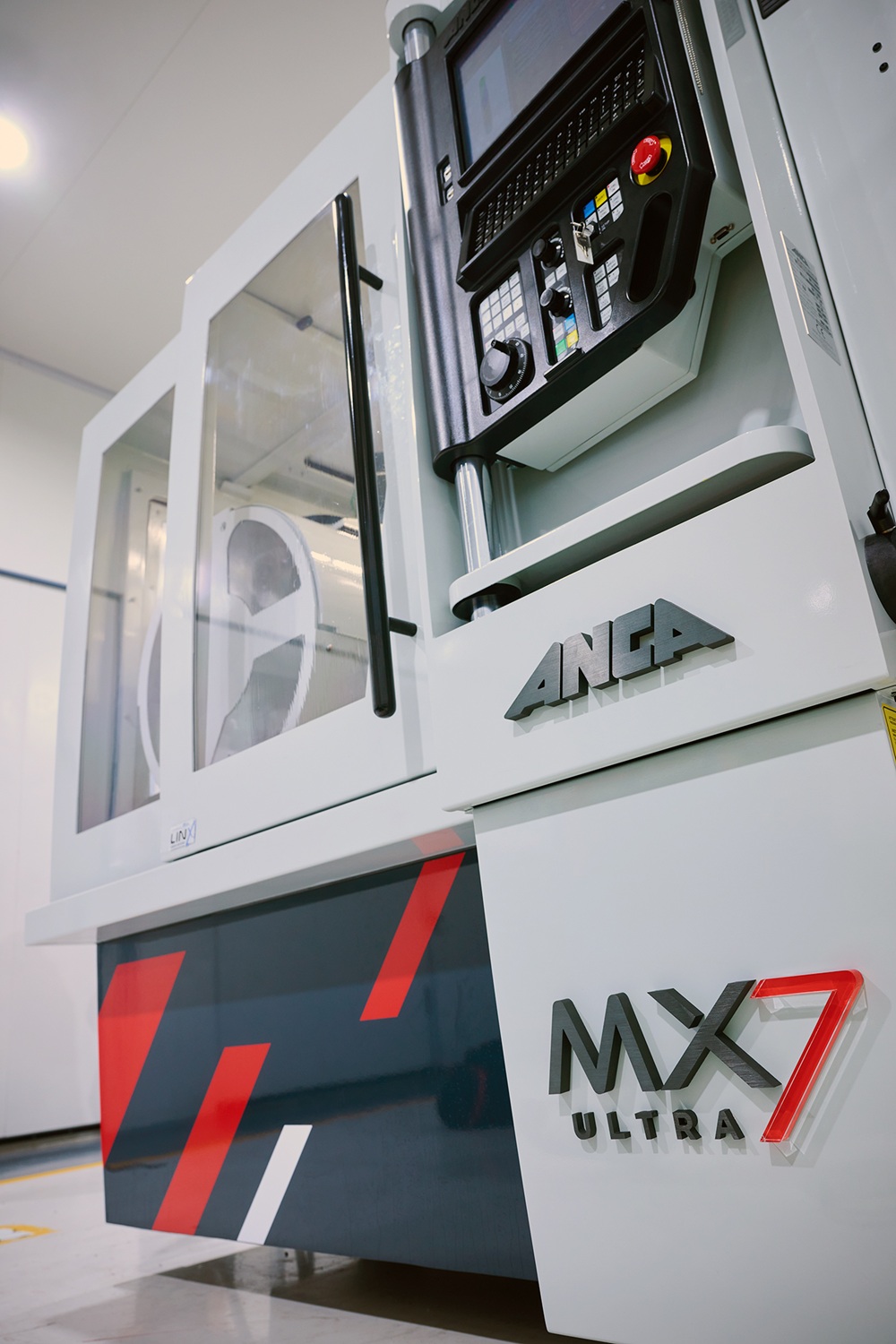

NUM drives efficiency and flexibility in tool grinding

At the recent GrindingHub 2026 exhibition in Stuttgart, NUM showcased new developments in its NUMROTO tool grinding software, including advanced feed-rate optimisation capabilities and the launch of the next-generation NUMROTO X platform.

The latest enhancements to NUMROTO are designed to help tool manufacturers improve productivity, flexibility and process reliability. A key innovation is the new feed-rate optimisation feature within NUMROTOplus, which automatically adjusts machining feed rates based on the calculated material removal volume generated through 3D simulation.

The technology is particularly beneficial for applications involving variable material removal, including grooving, tapered tools, multi-spiral cutters and step drills. By dynamically adapting feed rates to actual grinding conditions, manufacturers can reduce cycle times without compromising quality or tool life.

According to NUM, the new functionality has already demonstrated significant productivity gains in real-world applications. Grinding times for a multi-flute milling cutter were reduced by 14%, while the production of a stepped tool with insert seats delivered time savings of 29%.

NUM also unveiled NUMROTO X, a completely redeveloped software platform designed to provide greater flexibility and future-proof functionality for digital tool manufacturing. Built on a modular architecture, the new software introduces enhanced movement strategies between grinding operations to minimise idle time and improve axis efficiency.

Additional capabilities include a significantly expanded range of configurable geometric elements for complex tool designs such as barrel and circular segment cutters.

NUMROTO X is available in modules, including ‘Infrastructure’ and ‘Milling Cutter’, each offered in basic, advanced and professional tiers. This structuring allows manufacturers to tailor the software to specific production and tool design requirements while benefiting from a modern, scalable licensing structure.

More information www.num.com

Cost of Corrosion report sets out need for smarter protection

Corrosion has long been accepted as an unavoidable operational cost, but new research from Interpon Powder Coatings suggests it could represent one of manufacturing’s biggest opportunities for cost reduction and performance improvement. According to the company’s new Cost of Corrosion report, manufacturers worldwide could recover up to $875bn in preventable costs through improved corrosion protection strategies.

Published by AkzoNobel Powder Coatings, the study surveyed 1000 manufacturing leaders across multiple industries and regions to assess how businesses are balancing durability, sustainability and operational efficiency amid increasing regulatory and environmental pressures. The findings reveal that the hidden costs of corrosion extend well beyond equipment damage. Around 32% of respondents identified lost customers, product returns and reputational damage as the greatest financial impact, while 28% highlighted the environmental cost associated with waste and landfill.

The report also shows a growing recognition that corrosion protection is becoming strategically important to long-term business performance. Nearly half of manufacturers surveyed described anti-corrosion protection as essential to their operations.

Sector-specific insights indicate that EV manufacturers are leading the adoption of advanced powder coating technologies to improve durability and sustainability, while architectural manufacturers face increasing pressure to replace legacy systems with longer-lasting, environmentally compliant alternatives. Industrial equipment producers are also under pressure to modernise, although investment costs remain a challenge for some businesses.

“Corrosion protection was once seen mainly as a way to prevent product failures and financial loss,” says Jorrit van Rijn, marketing director at AkzoNobel Powder Coatings. “Today, it plays a far bigger role – helping manufacturers cut waste, improve efficiency and deliver longer-lasting, higher quality products that customers trust and value.”

More information www.bit.ly/4frXlfO

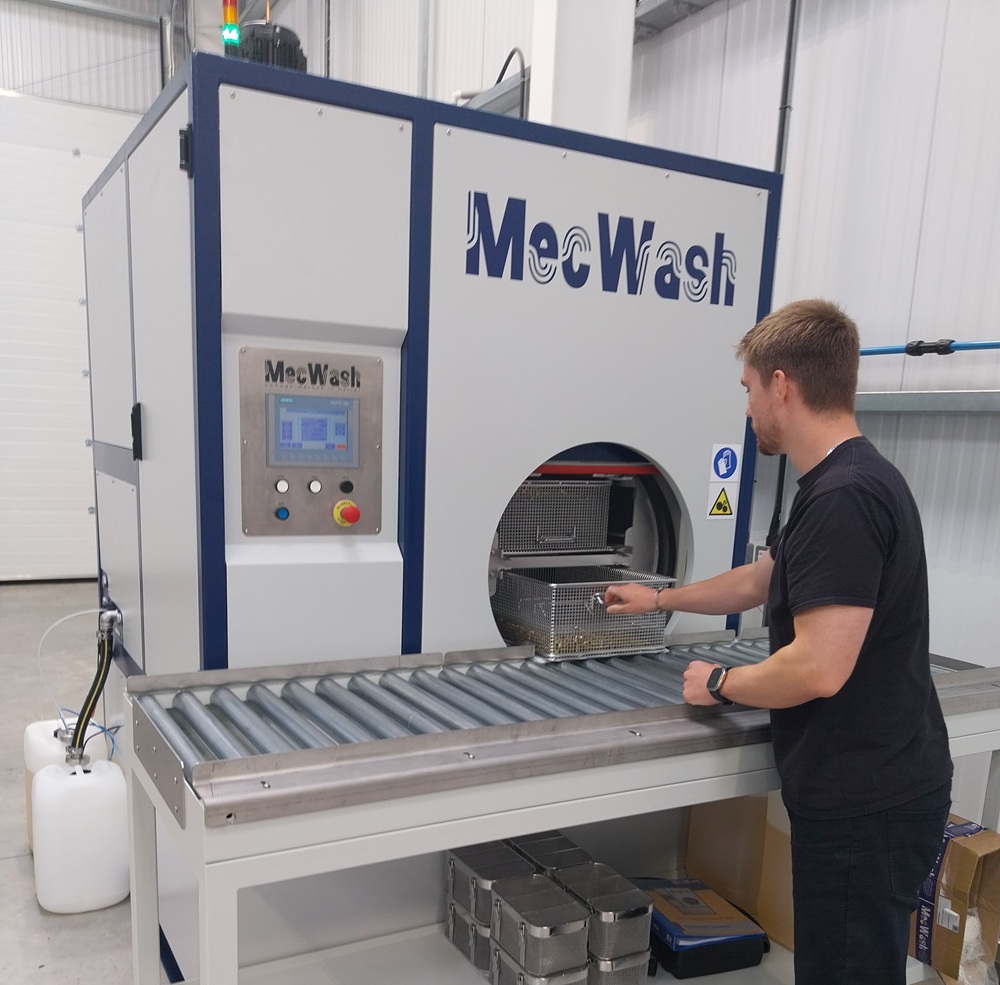
Ecoclean unveils Lab-on-a-Chip and AI-based Smart Drying

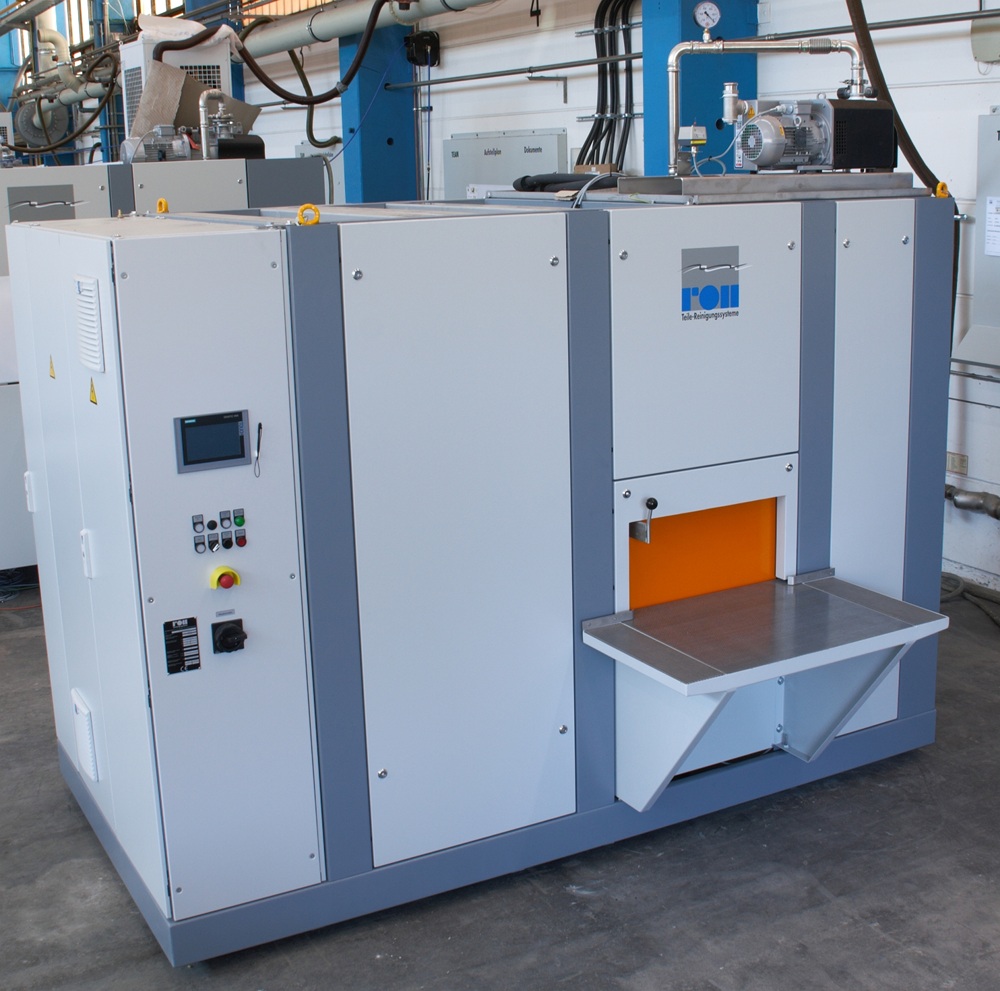
Increasing demands for component cleanliness, process reliability and energy efficiency are driving the need for smarter industrial cleaning technologies. Responding to these challenges, Ecoclean GmbH has introduced two new developments designed to optimise cleaning quality while reducing energy, resource consumption and operating costs.

The company’s new Lab-on-a-Chip (LOC) system enables automated analysis and monitoring of cleaning and rinsing baths using multiple measurement methods within a single platform. Suitable for both multi-bath immersion and chamber cleaning systems, the technology automatically analyses cleaner concentration and bath contamination, helping manufacturers maintain consistent process quality while minimising unnecessary media usage and bath changes.

Unlike conventional solutions that require multiple sensors and manual testing, the LOC system combines titration, pH, conductivity and surface tension measurement in one integrated solution. The technology also enables automated sampling directly from connected process stations, reducing operator intervention and improving process transparency.

Future developments will include total organic carbon (TOC) and particle measurement capabilities, further expanding the system’s analytical functionality.

Alongside the LOC system, Ecoclean has introduced Smart Drying technology, an AI-supported solution designed to optimise hot air and vacuum drying processes. Developed using data from thousands of drying tests, the system continuously analyses humidity, temperature and pressure within the process chamber to determine the most efficient drying strategy for individual components.

By intelligently adapting the drying cycle, Smart Drying reduces energy consumption and process times while ensuring consistently dry components, even when processing different workpiece types.

The new technologies also support increasing documentation and traceability requirements by continuously recording process parameters and enabling stable, reproducible cleaning and drying performance. According to Ecoclean, future development work will focus on expanding AI capabilities into cleaning and rinsing process control.

More information www.ecoclean-group.net

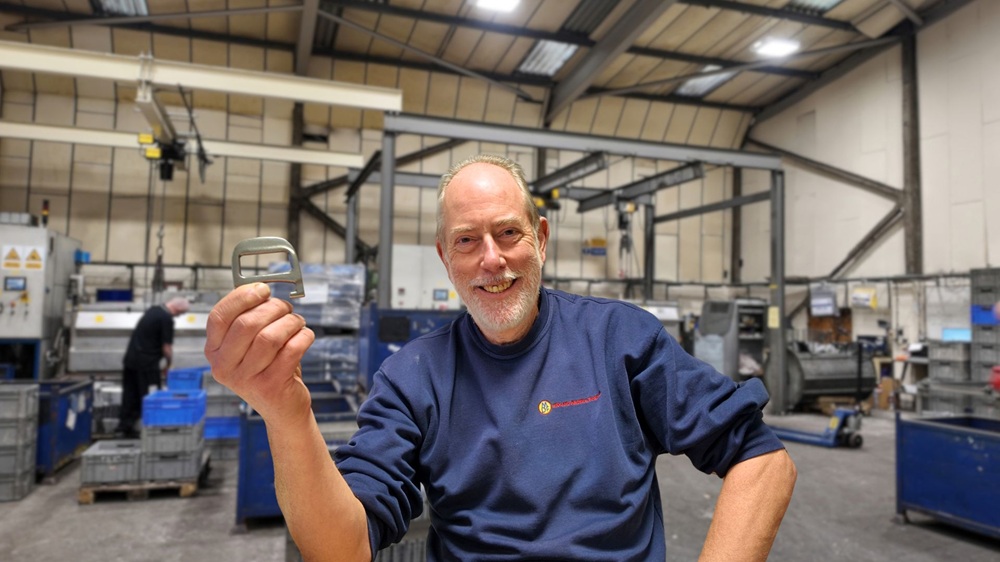
Surface finishing specialist secures NADCAP accreditation

Surface Coating Ltd has been awarded NADCAP accreditation, the globally recognised quality benchmark for special processes used across the aerospace and defence industries.

The Weymouth-based company is now one of the only providers in the south of England with this accreditation for coating and finishing processes, strengthening the region’s capability to support high-specification aerospace and defence manufacturing.

NADCAP (National Aerospace and Defence Contractors Accreditation Program) is an industry-managed accreditation system that verifies whether specialist processes such as coating, painting and finishing meet the stringent standards required by major aerospace manufacturers and defence contractors worldwide.

Achieving the accreditation confirms that Surface Coating Ltd’s processes meet internationally recognised requirements for quality, traceability and repeatability – key requirements for companies operating within complex global supply chains. For manufacturers, it means they can access NADCAP-accredited coating and finishing services within the south of England, rather than relying on suppliers elsewhere in the UK.

The accreditation follows significant investment by Surface Coating Ltd in its technical capabilities, quality systems and staff training. The company provides specialist finishing services including: wet spray painting, integrated finishing, powder coating and blasting.

NADCAP accreditation is widely regarded as the gold standard for special processes within the aerospace sector and requires companies to pass rigorous audits and maintain strict ongoing compliance.

Tom Williamson, director of Surface Coating Ltd, says: “Achieving NADCAP accreditation is a major milestone for our business and reflects the dedication of our team to operating at the highest standards required by the aerospace and defence sectors. The process is extremely rigorous, so gaining accreditation demonstrates that our systems, processes and quality controls meet the expectations of some of the world’s most demanding industries.”

More information www.surfacecoating.co.uk

Transforming the manufacture of textured shoe moulds

United Machining says its advanced laser technology is transforming the design and manufacture of high-quality textured shoe moulds. The laser process delivers high accuracy and repeatability, combined with design and manufacturing flexibility, predictability and reliability.

To meet the growing and evolving demands from designers of footwear brands for increasingly fine and complex surface structures, United Machining’s laser texturing technology offers a new and cost-competitive way to deliver geometric and natural textures. The process, based on United Machining’s knowledge of high-quality surface finishes, allows manufacturers to achieve structured and fine textures in competitive lead times compared with conventional design and manufacturing processes.

United Machining’s laser texturing technology is a completely digital and repeatable process that reduces manual operations, allows unlimited design flexibility and supports manufacturers in shortening time-to-market. It is these commercial advantages that have alerted the footwear sector to the potential of three- and five-axis laser technology.

The dimension of the laser spot is 0.05 mm, allowing the creation of fine, intricate and complex surface structures that are beyond the scope of conventional technologies. United Machining’s proprietary software helps manufacturers reduce manual operations and a reliance on specialised, manual expertise.

Freedom of design, thanks to the characteristics of this laser solution and the digital processes involved, enables manufacturers to design and apply all kind of textures on parts and mould inserts – a source of market differentiation. In the past, when manufacturers wanted to develop their own bespoke textures, the traditional route forward was to outsource the work, which often impacted lead times and, on occasion, could affect quality.

The use of laser technology means an end to tool breakage issues and the delivery of a safe, flexible and reliable texturing process.

More information www.gfms.com